Showing posts with label lessons. Show all posts

Wednesday, May 20, 2015

Alpha Order with Room 4

Second graders are practicing their alphabetization skills, because we're learning about guide words, because the annual dictionary races are coming up!

Guide words help you find what you're looking for without having to look at every single page. For example, these are words that would come between the guide words "baby" and "eagle":


The kids had fun playing Guide Words Rags to Riches ... the highest score so far was 64,000. Do you think you can beat it? Try it by clicking this link.

Finally, here is Room 4 getting themselves in order:


Sunday, March 8, 2015

Room 7's Trillion Dollar Footprint

We discuss digital citizenship in library class, and Common Sense Media has some good lessons that I use with the fifth and sixth graders.

This month, we did "Trillion Dollar Footprint"; the kids play the role of television producers choosing a host for a talent show. They have to sift through online evidence that a private investigator found via social media and decide which candidate should get the job.


The students were able to defend their choices with evidence - some picked "Linda," some picked "Jason," and some picked neither. All of their arguments were based on posts, photos, and comments that were found online. In the end, I think they all understood the objectives of the lesson:

  • Define "digital footprint" as the profile that is created from all the information posted about you online
  • Realize that your information can be searched, copied and passed on
  • Understand that your digital footprint can be helpful or harmful to your reputation


Tuesday, February 17, 2015

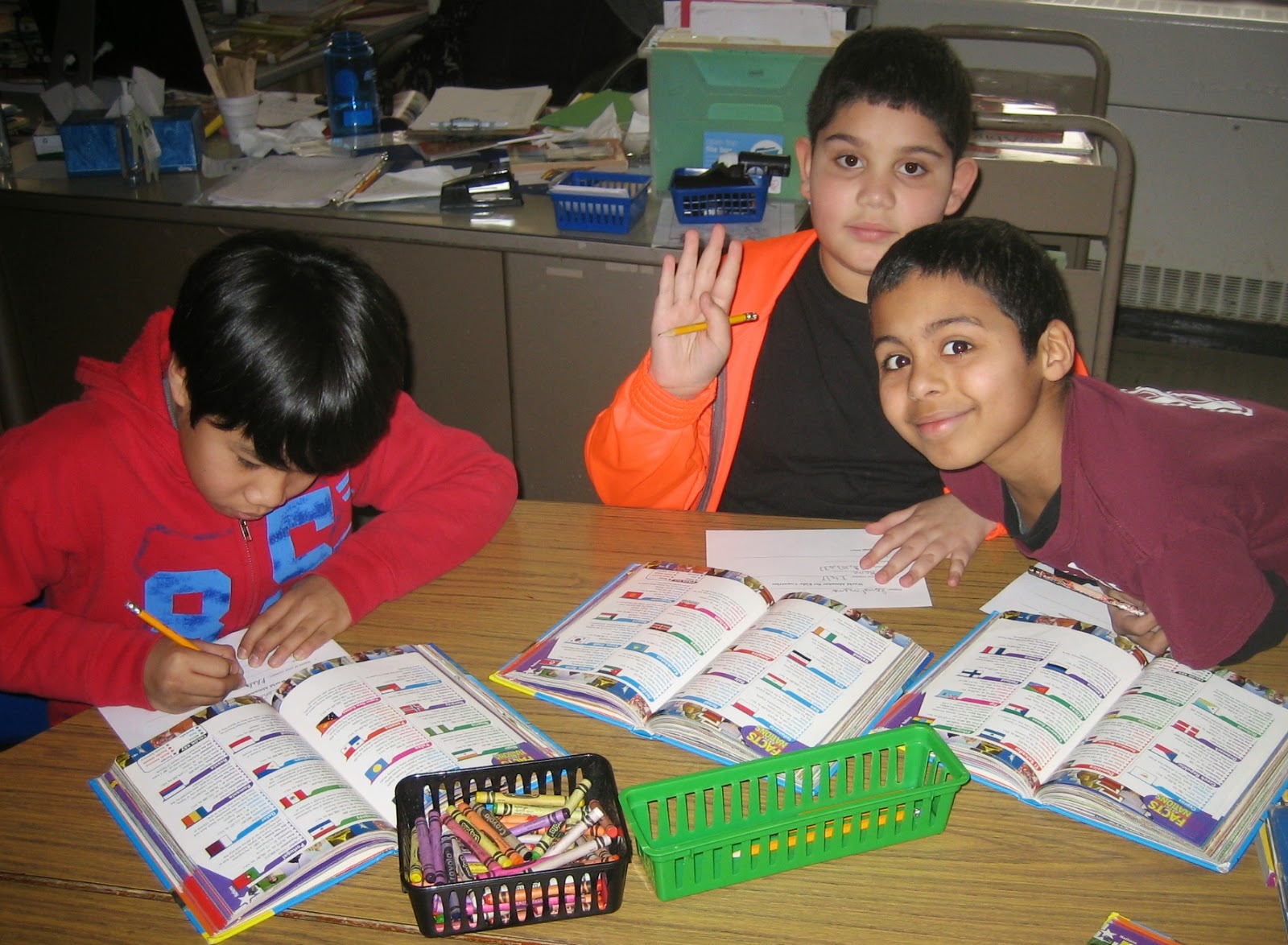
Population Density - Room 9

Grade 4 is wrapping up a world geography unit by looking at population density. Students put their countries' area and population into Excel, and we sorted and ran a formula to see how many people lived in each square mile.


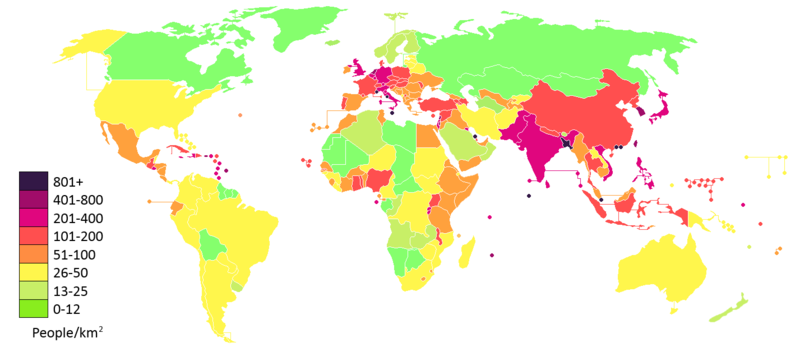
Then we practiced reading visual representations of data with this map:


source: wikipedia.org

Which continents are the most densely populated?

Here's a hint ... one of the cities on one of the continents is Tokyo, where the subway is so crowded that people get squished onto the train cars by professional "pushers." Here's video evidence:


Monday, December 29, 2014

7 Continents and 5 Oceans with Grade 4

Fourth-graders are learning about maps and atlases.

How quickly can you correctly identify the world's continents and oceans on your first try? 

If you need a refresher before clicking the link above, watch this video.


If you'd like to be able to identify the countries on each continent, try playing the geography games on freerice.com. This site donates 10 grains of rice to the World Food Programme for every correct answer.


6th Grade Keyword Challenge - Taboo!

source: hasbro.com
We've been talking about keywords, which are the words you type into a search query. To get good results (before you even start evaluating the sources), you need to use precise terms and consider alternative ways of expressing them.

Sixth graders practiced this skill by taking turns describing objects to their classmates. We kept track of how many wrong answers were given until we had enough information to definitively identify the object ... usually at least three terms were needed.

The activity is similar to the board game Taboo!, where the person giving the clues has to avoid saying certain giveaway words. The students decided to play their own version during checkout the next week, using the terms on the card as the keywords.

You can play Taboo! at home with this online version. 

There are also apps out there that you can download to your phone or tablet. Have fun!

Sunday, November 9, 2014

Grade 3 FICtion

Third graders now get to take out books from anywhere in the library ... but they're not sure how to find what they want. So we'll be learning how to use the online catalog and convert call number listings into shelf locations.

We started simple, with the fiction section. Every fiction call number has "FIC" as the first line, and then the first three letters of the author's last name as the second line.

For example, if I wrote a book, the call number would be

FIC
MOO

What would YOUR call number be?

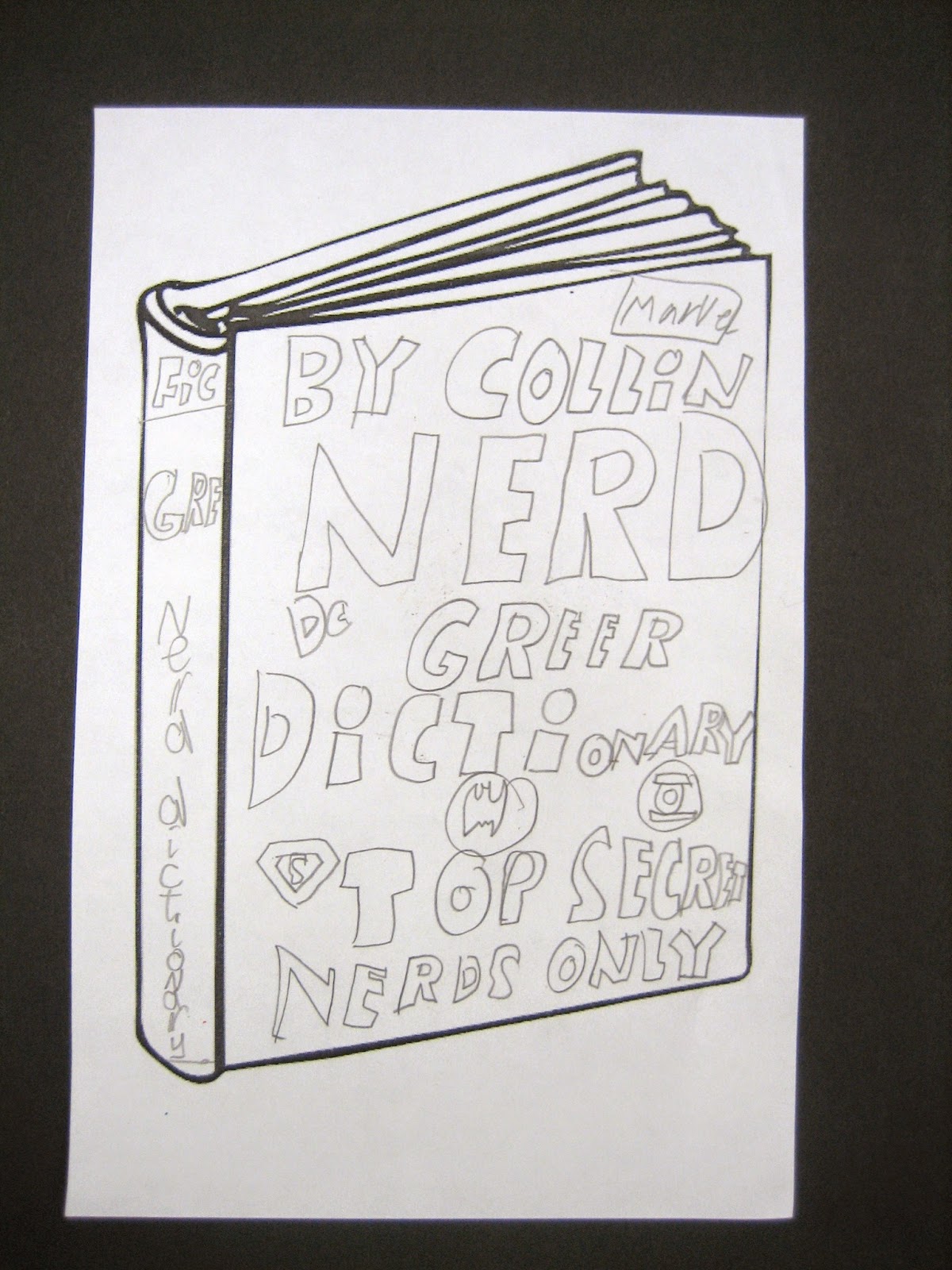
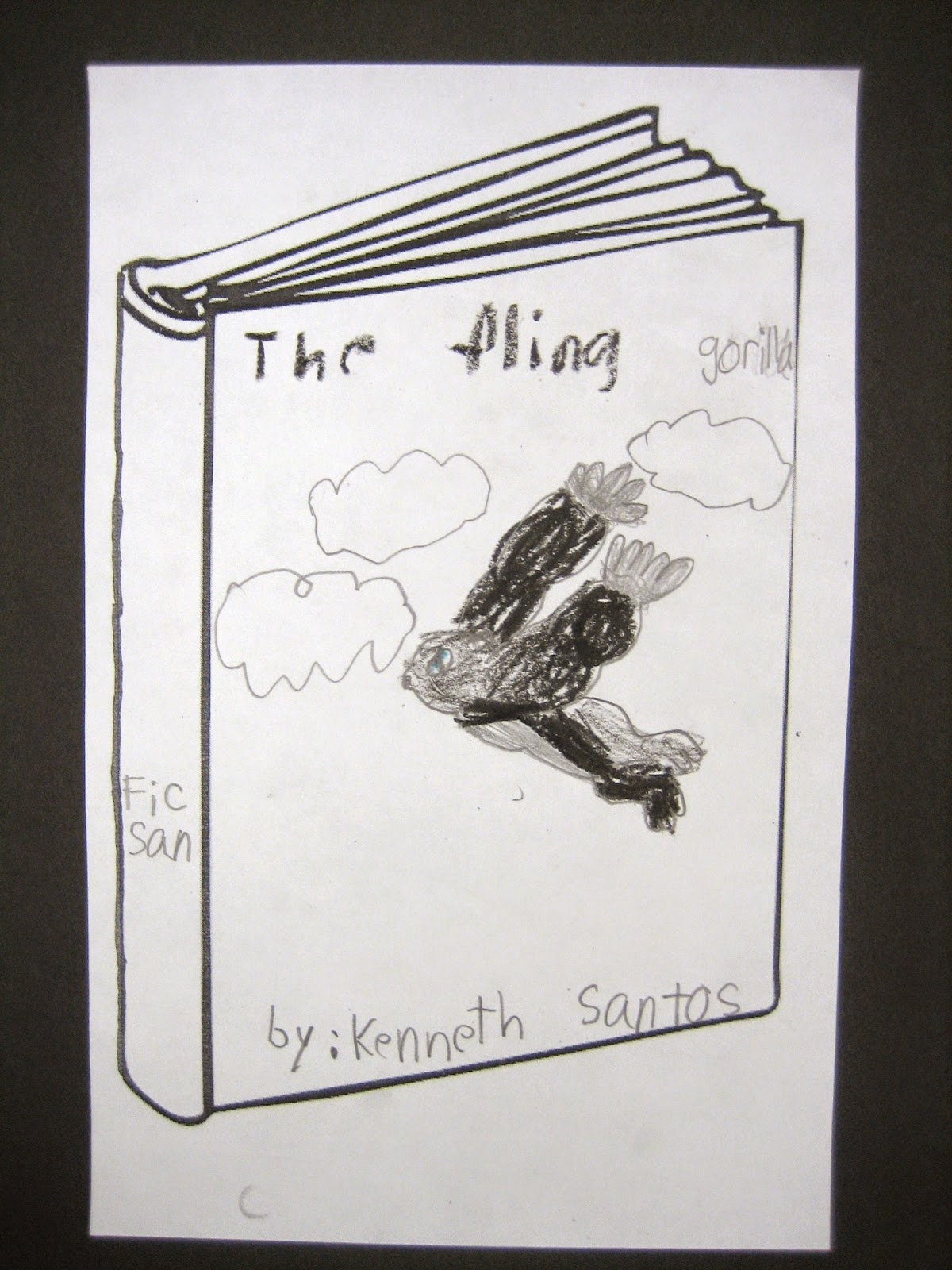
Students figured out the call numbers for a list of books and and then created their very own for a fiction book they "wrote." Here are some of their book covers:


Saturday, November 8, 2014

Grade 4 Dewey Matching Game

As a follow-up to our last lesson, when fourth-graders figured out Dewey Decimal System categories, this week they assigned a stack of topics to those categories. Each table got a set of "playing cards" that they had to place in the correct area of their "game board." (Many thanks to my sixth-grade volunteers for cutting the cards out!)

Some of the cards were kind of tricky ... you could make the case for a certain subject to be in more than one Dewey category. So long as the students could explain their thinking, they got full credit. Here are the teams at work:


Tuesday, November 4, 2014

Boney Research - Room 4

Second graders took notes for the first time in library, listening to Dem Bones by Bob Barner and learning such information as:


  • Where is your patella? 
  • How many vertebrae are in your spine? 
  • Where is your clavicle? 
  • How many bones are in your foot? 
  • Which bone is the longest? 

Then we created a list of questions they had about bones and practiced using a table of contents to find the answers. Here are some of the facts they learned:

  • A muscle is attached to a bone by a tendon. 
  • Bones are made of water and calcium. 
  • Broken bones can heal themselves, but they can't move during the process.
  • Joints have different names. One kind is a ball and socket.

And here they are at work:


If you'd like to know more about bone names, the Animaniacs can tell you: